-
-
011- 69313821

011- 69313821
A letter of recommendation format is a structured way to present a person’s skills, achievements, and character to support academic or professional applications. It ensures that the letter is clear, professional, and persuasive, whether it is for a student, graduate school, MBA program, or a professional reference. A well-organized format highlights relevant accomplishments and makes a strong impression on the recipient.
In this guide, you'll read more about the essential elements of a recommendation letter, formats for different scenarios, and step-by-step tips for writing an effective letter. We’ll also cover common mistakes to avoid, practical templates, and expert tips to make your recommendation stand out.
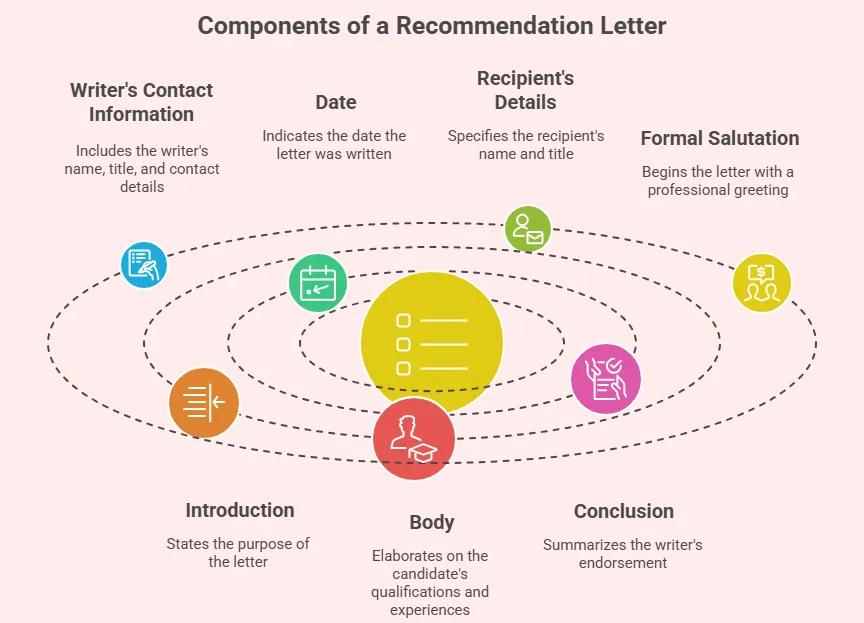
A letter of recommendation is a written statement that vouches for a person’s skills, achievements, character, and suitability for a particular role or program. It is typically requested by students applying to colleges or universities, professionals seeking new jobs, or candidates pursuing higher studies like an MBA or master’s program. The main purpose of a recommendation letter is to provide credible evidence from someone who knows the candidate well and can speak to their strengths.
At its core, a recommendation letter answers three questions:
| Feature | Purpose |
|---|---|
| Sender Information | Shows the credibility of the person writing the letter |
| Recipient Details | Identifies who the letter is addressed to |
| Introduction | Establishes the relationship between recommender and candidate |
| Body | Highlights achievements, skills, and character traits |
| Closing & Signature | Ends professionally and provides contact info for follow-up |
Letters of recommendation play a crucial role in applications because they provide more than just a list of achievements. They offer an insider perspective on a candidate’s abilities and character. Here’s why they matter:
Not everyone can write an effective recommendation. The best letters come from individuals who know the candidate well and can speak to their skills and achievements. Common recommenders include:
Recommendation letters vary depending on the purpose. Each type focuses on different aspects of the candidate:
A letter of recommendation format is most effective when it follows a clear structure. Each element plays a specific role in presenting the candidate professionally and convincingly. Understanding these key elements ensures the letter is easy to read and impactful.
This section identifies who is writing the letter and why their opinion matters. It usually includes:
Clearly mentioning the recipient helps direct the letter appropriately. Include:
The opening paragraph should:
This is the main part of the letter where the candidate’s skills, achievements, and character are highlighted. A strong body should:
The closing paragraph wraps up the recommendation and reinforces support for the candidate. Include:
A letter of recommendation format can vary depending on the purpose and audience. Understanding how to adapt the structure for different scenarios ensures that the letter is effective and relevant. Below, we break down common situations and what each letter should focus on.
These letters are usually requested for college admissions, scholarships, or academic programs. They should highlight:
When applying to a master’s program, letters should emphasize:
These are often for scholarship applications, exchange programs, or academic competitions. They focus on:
Graduate schools want to see a combination of academic and personal traits. Important points include:
MBA programs look for professional and leadership qualities. Letters should highlight:
Teachers writing letters for students should focus on:
Writing a letter of recommendation may seem daunting, but breaking it into clear steps makes the process straightforward. Following a structured approach ensures the letter is professional, persuasive, and easy to read.
Before you start, clarify why the letter is needed. Is it for a student applying to college, a professional seeking a job, or an MBA application? Understanding the purpose helps you focus on the most relevant achievements and qualities.
Gather details to write an accurate and personalized letter. Key information includes:
The opening paragraph should establish your relationship with the candidate and state the purpose of the letter. Include:
The body of the letter should provide specific examples that showcase the candidate’s abilities. Use bullet points or short paragraphs for clarity:
Include traits that make the candidate stand out, such as:
The final paragraph should summarize your endorsement and offer to provide further information if needed. Include:
Writing a letter of recommendation requires attention to detail. Even small mistakes can weaken the impact of the letter. Being aware of common pitfalls ensures your recommendation is professional and convincing.
| Mistake | Why it Matters | How to Avoid |
|---|---|---|
| Generic statements | Lacks credibility | Use specific examples of achievements |
| Too short or too long | May seem insincere or overwhelming | Keep to one page with concise details |
| Not tailored | Doesn’t highlight relevant skills | Focus on the purpose of the letter |
| Poor structure | Hard to read | Follow standard introduction-body-closing format |
| Overuse of superlatives | Unsupported claims weaken impact | Provide evidence for praise |
| Grammar/spelling errors | Reduces professionalism | Proofread carefully |
| Missing contact info | Limits follow-up | Include the email/phone of the recommender |
By avoiding these mistakes, your letter of recommendation format will be clear, professional, and persuasive. A well-written letter ensures that the candidate’s strengths are effectively communicated to the reader.
Writing a letter of recommendation that stands out requires attention to detail and thoughtful presentation. A well-crafted letter not only supports the candidate but also reflects positively on the recommender. Here are practical tips to make your recommendation effective.
Avoid vague praise. Highlight concrete achievements and examples that show the candidate’s skills, character, and accomplishments.
A recommendation for a student applying to a master’s program differs from one for a job. Focus on qualities relevant to the opportunity:
Follow a standard letter of recommendation format:
Quantifying accomplishments makes the letter more credible. Numbers, awards, and project outcomes provide clear evidence.
The letter should be formal but enthusiastic. Avoid overly casual language while expressing genuine support.
Typos or grammatical errors reduce credibility. Read the letter multiple times or ask a colleague to review it.
Aim for one page. Focus on the most relevant skills and achievements without overloading the reader.
Provide your email or phone number so the recipient can reach out for additional information if needed.
Having a clear letter of recommendation format makes it easier to write a persuasive and professional letter. Below are detailed templates for common scenarios, showing how to structure your letter while highlighting relevant achievements and qualities.
This template is ideal for students applying to colleges, scholarships, or academic programs. It focuses on academic performance, personal traits, and extracurricular involvement.
For a letter of recommendation for master’s program applications, letters should emphasize research abilities, analytical skills, and motivation for advanced study. Including specific examples of projects or internships strengthens the letter.
MBA letters focus on professional achievements, leadership, and strategic thinking. They should also emphasize the candidate’s career potential and adaptability in business environments.
When teachers write letters, the focus should be on academic performance, character, and personal growth. These letters are often used for scholarships, school programs, or college applications.
A well-structured letter of recommendation format plays a crucial role in showcasing a candidate’s skills, achievements, and character. Whether it’s for a student, master’s program, MBA, or professional application, following a clear structure ensures the letter is professional, persuasive, and easy to read.
By including all key elements, introduction, body with achievements, personal qualities, and a strong closing, you create a letter that makes a lasting impression. Tailoring the content to the specific purpose and avoiding common mistakes further strengthens the recommendation.
Using the templates and tips provided in this guide will help you write letters that stand out. A carefully crafted recommendation can significantly improve a candidate’s chances of success.
Yes, you can use the same Letter of Recommendation for multiple universities if it aligns with their requirements. However, it’s better to customize the content slightly to match the program or institution’s focus.
Most universities require two to three LORs, depending on the program. Check the specific requirements of each university to avoid missing out.
If a recommender declines, don’t panic. Politely ask someone else who knows your skills or academic performance, such as another professor, supervisor, or mentor.
Some recommenders might allow this, but it’s not ideal. Universities may notice if the tone or style doesn’t reflect the recommender’s voice. Always try to get the LOR written by the recommender directly.
Avoid vague language, generic praises, or incorrect details about your achievements. The letter should also be free of grammar mistakes and exaggerated claims.
Focus on specific examples of your skills, achievements, and character. A personalized LOR that reflects your unique contributions will grab the admission committee’s attention.
Not all universities require a professional LOR, but many MBA programs prefer at least one from an employer or professional contact. Academic LORs are also accepted in some cases.